
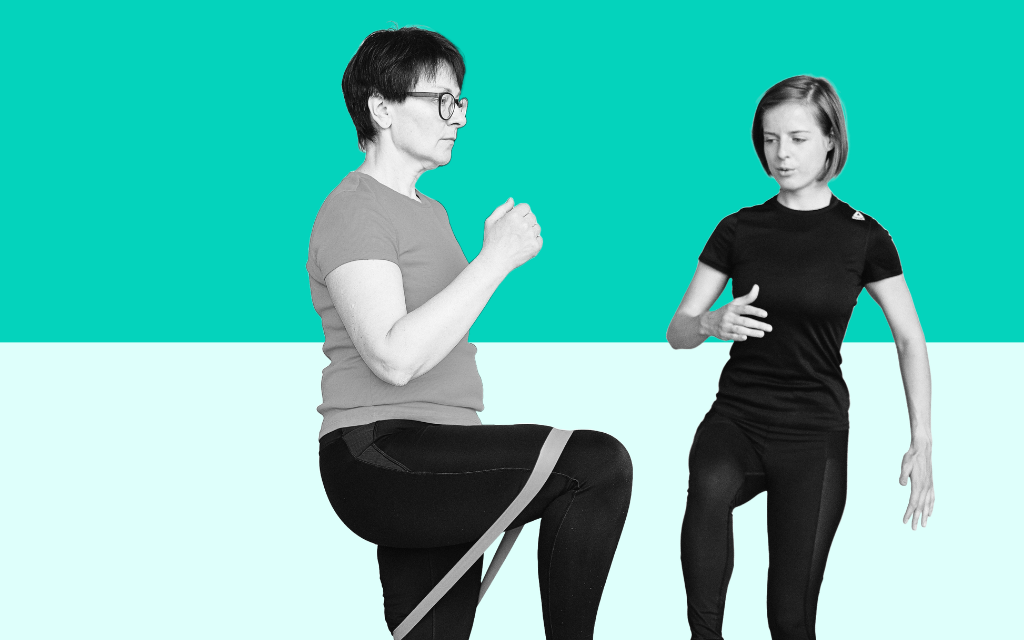
If you have always enjoyed fitness and find yourself wanting to help other people achieve their goals, becoming a personal trainer could be the career change you have been looking for. Personal training offers the opportunity to turn an interest in health and fitness into a professional career, working directly with clients to help them become stronger, fitter and more confident.
However, becoming a personal trainer involves more than simply being passionate about exercise. To work professionally with clients, you need the right knowledge, practical skills and recognised qualification. Understanding where to start can make the process feel much more straightforward, particularly if you are completely new to the fitness industry.
For many aspiring personal trainers, the first step is gaining a Level 2 Gym Instructing qualification. This provides the foundation knowledge and skills needed to work safely in a gym environment and understand the principles of exercise and fitness. Once you have completed a suitable Level 2 qualification, you can progress onto a Level 3 Personal Training qualification and begin developing the more advanced skills needed to work with individual clients.
The Level 3 qualification is an important step because personal training involves much more than showing someone how to perform an exercise. You need to understand how the body works, how to assess a client’s needs, how to plan effective training programmes and how to adapt your approach depending on someone’s goals, experience and abilities.
Anatomy and physiology form an important part of personal training education. Understanding the muscular and skeletal systems, how the body responds to exercise and how different forms of training affect the body gives you the knowledge needed to plan safe and appropriate sessions. This foundation helps personal trainers make informed decisions rather than simply relying on their own experience of exercise.
Client assessment is another important part of becoming a personal trainer. Every client is different, and an effective trainer needs to understand where someone is starting from before creating their programme. You will develop an understanding of how to carry out appropriate consultations and assessments, identify client goals and use that information to create realistic and personalised training plans.
You will also learn how to design exercise programmes around different objectives. One client may want to improve their strength, another may be working towards improved fitness, while someone else may simply want to become more active and confident in the gym. Personal trainers need to be able to adapt their approach rather than relying on a one-size-fits-all programme.
Communication is equally important. Personal trainers spend a significant amount of time working directly with people, so being able to listen, explain clearly, provide feedback and build positive relationships is essential. Clients need to feel comfortable asking questions, discussing their goals and communicating any concerns, which means interpersonal skills are just as important as technical fitness knowledge.
Nutrition is also covered as part of personal training education. While personal trainers must always work within their professional scope of practice, understanding the principles of nutrition can help you have more informed conversations with clients and understand how lifestyle factors can influence health and fitness goals.
Becoming a personal trainer also means understanding the professional responsibilities that come with working with clients. Health and safety, professional conduct, client confidentiality, appropriate record keeping and understanding the boundaries of your role are all important aspects of building a responsible fitness career.
If you are already qualified as a gym instructor, the next step can be to progress directly onto a Level 3 Personal Training qualification. At Educationwise, our NCFE Level 3 Diploma in Personal Training is designed for people who already hold a Level 2 Certificate in Gym Instructing or an equivalent qualification.
The course is delivered remotely, giving you the flexibility to study around your existing work and personal commitments. It is typically completed over six to twelve months, depending on your availability and pace of study, so you can continue developing your career without necessarily having to step away from your current responsibilities.
Throughout the programme, you have access to an online learning platform with resources including video tutorials, digital workbooks and quizzes, alongside support from an industry specialist tutor. This gives you the flexibility of remote learning while still having guidance available as you progress through your qualification.
Assessment combines online worksheets, written assignments and practical demonstrations, with video submissions available where required. This allows you to demonstrate both your understanding of the theory and your ability to apply your knowledge in practical situations.
The qualification is also CIMSPA accredited and provides 10 CIMSPA CPD points, helping you work towards a recognised professional route within the fitness industry. Choosing an industry-recognised personal training qualification can be an important consideration when deciding where to study and how to begin building your career.
Once qualified, there are a number of different directions your personal training career could take. You could work within a gym or health club, develop your own client base or explore opportunities to specialise in particular areas of fitness. Your qualification can provide a foundation for continuing to develop your skills and experience as your career progresses.
Personal training can also offer flexibility that appeals to people considering a career change. Depending on how you choose to work, you may have the opportunity to build a career around your own interests, clients and professional goals. For some people, that means working within an established fitness facility, while others may eventually choose to become self-employed.
The important thing is that becoming a personal trainer is a process rather than a single qualification. Your Level 3 qualification gives you the professional foundation you need, but your knowledge will continue to develop as you gain experience working with different clients and learn more about the areas of fitness that interest you.
You also do not need to have everything figured out before you begin. You may already know exactly what type of personal trainer you want to become, or you may simply know that you want a career where you can work in fitness and help people. Your training and experience can help you discover which direction is right for you.
If you are considering a complete career change, personal training can be an achievable way to move into the fitness industry without committing to several years of full-time education. A flexible personal training course allows you to develop your qualification alongside your existing commitments, giving you the opportunity to start working towards a new career while continuing with your current responsibilities.
Ultimately, the first step is understanding what qualification you need and making sure you choose a training route that gives you the right knowledge, support and practical experience. If you already have a Level 2 Gym Instructing qualification, a Level 3 Personal Training qualification can provide the next stage of your development. If you are completely new to fitness, you can begin with the appropriate foundation qualification before progressing.
Becoming a personal trainer can be a rewarding career for anyone who enjoys fitness, working with people and helping others make positive changes. With the right training, you can develop the knowledge and confidence to work with clients professionally while building a career around something you are genuinely passionate about.
At Educationwise, our NCFE Level 3 Diploma in Personal Training provides flexible remote learning, industry specialist tutor support, CIMSPA accreditation and a six to twelve-month programme designed to fit around your existing commitments. If you already hold a Level 2 Gym Instructing qualification and are ready to take the next step, it could be the start of your career in personal training.
If you want to become a personal trainer and are ready to start building your future in the fitness industry, explore our Level 3 Personal Training qualification and find out where your next step could take you.